
Anitta has officially delivered the second installment of her ambitious dual album initiative with the global release of EQUILIBRIVM II on July 23, 2026. Arriving through Floresta Records, Republic Records, and Universal Music Latino, this seventeen-track studio project serves as the direct sequel and thematic partner to her eighth studio album, EQUILIBRIVM, which made its debut earlier in April 2026. Where the initial installment leaned heavily into vibrant electronic soundscapes and high-energy international pop structures, EQUILIBRIVM II pivots inward toward a deep exploration of Brazilian musical heritage, spiritual grounding, and raw emotional vulnerability. By crafting a double-disc experience that total forty-nine minutes of new music across seventeen standalone compositions, Anitta establishes one of the most culturally expansive artistic statements of her decade-spanning career.
EQUILIBRIVM II weaves together a tapestry of traditional genres ranging from MPB, reggae, forró, and samba to bossa nova, ijexá, and sacred candomblé percussion. The album operates as a testament to her creative independence, demonstrating how an artist can command massive global streaming numbers while honoring regional folk roots and spiritual lineages that are often overlooked by commercial radio formats.
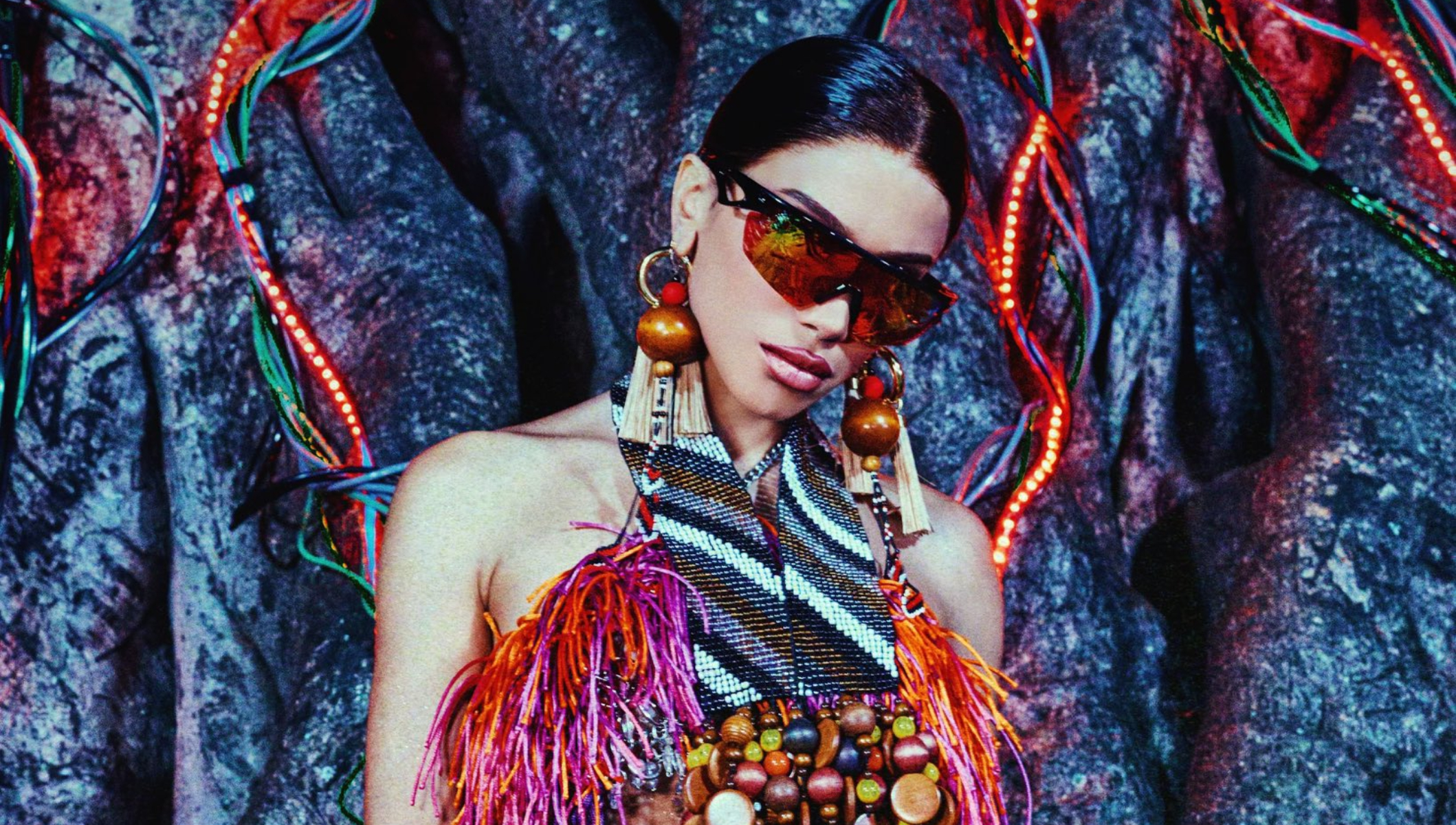
Anitta spoke candidly about the emotional weight and deeply personal nature of this record during the official press launch. She explained that she poured her entire soul into the recording sessions, noting that listeners would immediately sense her worldview, her spiritual journey, and autobiographical moments embedded within the songwriting. For Anitta, spirituality and musical expression are fundamentally inseparable, and this second volume reflects her ongoing desire to share the rich sacred traditions of Brazil with a global audience. She highlighted how her personal devotion to Candomblé and her reverence for ancestral forces shaped the production choices, lyrical themes, and rhythm selections across every single composition on the tracklist.
To accompany the audio release, Anitta premiered an immersive musical short film that acts as a visual narrative extension of the album’s core themes. Produced in partnership with the streaming platform Globoplay and also made available on her official YouTube channel, the short film is accessible to both subscribers and non-subscribers, ensuring universal access for fans worldwide. The film visually interprets the album’s arc, taking viewers on a cinematic journey through sacred Brazilian landscapes, coastal rituals, traditional dance circles, and intimate personal reflection. By combining high-budget visual storytelling with authentic cultural representation, the short film elevates EQUILIBRIVM II into a multi-sensory artistic experience that deepens the listener’s understanding of each song’s spiritual resonance.
The tracklist of EQUILIBRIVM II is structured as an intentional spiritual and musical journey, featuring an extraordinary gathering of legendary Brazilian icons, contemporary innovators, and indigenous artists. The album opens with “Você Já Sabe,” a collaboration with the acclaimed production trio Los Brasileros. Producer Pedro Dash noted that the song was engineered specifically to function as a commanding opening anthem for live performances and studio listening alike. By seamlessly merging traditional Candomblé sacred drums with the heavy baseline of Brazilian funk tamborzão, “Você Já Sabe” establishes the sonic thesis of the entire album in under three minutes, declaring that ancient tradition and urban street music can coexist in perfect harmony.
The second track, “Sal Grosso,” features the rising talent KBrum and delivers a energetic burst of rhythm that draws inspiration from street parties and spiritual cleansing practices. Lyrically, the song references coarse salt as a symbolic shield against negativity, setting a protective tone that carries through the subsequent compositions. This is followed by “Não Me Cutuca,” a joyful collaboration with Northeastern music icon Alceu Valença. Built upon a vibrant forró foundation, the track pairs Valença’s classic vocal cadences with Anitta’s modern melodic sensibilities, creating a generational bridge that celebrates the enduring warmth and danceability of Brazilian regional music.
In the fourth spot, “Eu Não Sou Santa” pairs Anitta with renowned accordion master Mestrinho. Grounded in accordion-driven forró rhythms, the song weaves explicit references to Nossa Senhora Aparecida alongside human imperfections and honest confessions. The track cleverly explores the dualities of human nature, sacred devotion, and physical desire without shame or hypocrisy. Following this, “Feitiço” brings in samba royalty Mart’nália for a smooth, swing-filled track that explores romance, charisma, and spiritual attraction through classic samba and bossa nova grooves.
Track six, “Ponta do Pé,” stands as a solo performance where Anitta demonstrates her ability to carry an infectious melody entirely on her own. The song utilizes delicate vocal arrangements and rhythmic interplay to create a lighthearted yet sensuous atmosphere. The momentum transitions into “Abre Caminho,” featuring Alexandre Carlo, the lead singer of the legendary Brazilian reggae group Natiruts. Anchored by warm basslines and uplifting reggae rhythms, the song serves as a spiritual prayer for open paths, peace of mind, and freedom from spiritual blockages. The reggae influence continues seamlessly into track eight, “Tudo Isso,” another solo effort that ponders gratitude, resilience, and personal evolution amidst life’s chaotic cycles.
The ninth track, “Sem Pressa,” brings together Anitta and alternative pop artist MC Tha, with production handled once again by Los Brasileros. Grounded in the sacred, hypnotic beat of Ijexá, the track encourages patience, emotional stillness, and mindful connection in a fast-paced world. The sacred atmosphere deepens with track ten, “Deus Mãe,” featuring KING Saints, an empowering anthem that honors the divine feminine, maternal spiritual forces, and the sacred power inherent in womanhood.
One of the most remarkable centerpieces of the entire album arrives at track eleven with “Ogum Me Rodeia”. Featuring the legendary MPB matriarch Maria Bethânia alongside singer-songwriter Letícia Fialho, the composition stands as a breathtaking tribute to Ogum, the deity of courage, war, and iron. Maria Bethânia’s dramatic, commanding spoken-word recitation and deep vocal presence lend immense authority to the track, creating a chilling and beautiful listening experience that merges poetry, sacred chants, and orchestral Brazilian instrumentation.
The twelfth track, “Contemplação,” features Grupo Ofá, a traditional musical collective dedicated to preserving Afro-Brazilian sacred music. The track offers an authentic immersion into ritualistic drumming and choral singing, providing a moment of meditative reverence near the album’s conclusion. Track thirteen, “Pra Você Gostar de Mim,” revisits classic Brazilian samba-canção structures, showcasing Anitta’s refined vocal control and romantic delivery.
As the album nears its end, “Divino Sexual” explores the sacred dimension of intimacy and romantic passion, arguing through its poetic lyrics that physical love is a expression of divine energy. Track fifteen, “Azul,” offers a serene, ocean-inspired soundscape filled with lush acoustic guitars and ambient textures that evoke feelings of peace and spiritual cleansing. Track sixteen, “Respira,” acts as a gentle reminder to breathe through hardship and find inner stillness, preparing the listener for the album’s final climax.
The closing track, “Oke,” features the indigenous hip-hop collective Brô MC’s alongside indigenous activist and artist Katú Mirim. By featuring indigenous languages, rap verses, and traditional chants, “Oke” delivers a powerful political and spiritual statement about land rights, ancestral protection, and the preservation of native wisdom. Ending the album with indigenous voices ensures that EQUILIBRIVM II concludes not just as a pop project, but as a holistic honor paid to all foundational roots of Brazilian identity.
From a production perspective, EQUILIBRIVM II excels because of its attention to acoustic detail and organic instrumentation. Rather than relying solely on digital synthesis, the producers recorded authentic percussion instruments, live accordions, brass sections, and traditional Brazilian guitars. This commitment to organic sound gives the album a timeless quality that feels rooted in the earth while remaining crisp and modern in its mix engineering.
The reception surrounding EQUILIBRIVM II highlights Anitta’s growing status as an ambassador of Brazilian culture on the global stage. By using her massive international platform to spotlight regional legends like Alceu Valença and Maria Bethânia alongside indigenous performers like Brô MC’s, she proves that commercial success can be leveraged to uplift community heritage and cultural preservation. EQUILIBRIVM II stands as a triumph of artistic freedom, demonstrating that when an artist trusts their authentic roots, the resulting music transcends language barriers and connects universally with listeners around the world.








Leave a Reply