
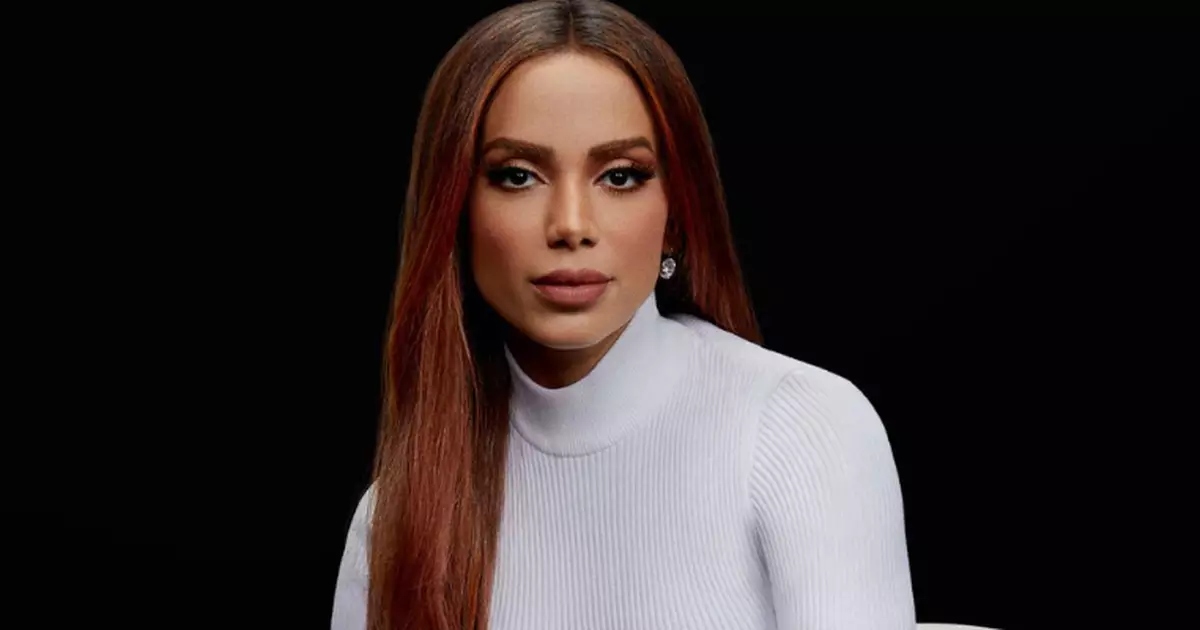
Anitta reportedly walked away from an extraordinary R$500 million offer to become the face of a betting company, bringing new attention to a position the Brazilian superstar had already made public months earlier when she explained that she had been approached by the gambling industry but decided against lending her name and image to it after researching the consequences of online betting. The amount was revealed on September 27, 2026, by journalist Fábia Oliveira in her Metrópoles column, which reported that the proposed contract could have reached R$500 million and would have involved Anitta becoming an ambassador for a major betting company and promoting the business through her social media platforms. The identity of the company was not disclosed in the report, and Anitta has not publicly confirmed the R$500 million figure herself, so the amount should be understood as information reported by Oliveira’s sources rather than a number announced directly by the singer or her team. What Anitta has confirmed, however, is that a betting company wanted to use her image for advertising and that she deliberately turned down the opportunity after studying the subject and reconsidering what promoting gambling could mean for the people who follow her.
The enormous figure only became public in September, but Anitta had already described the decision behind the rejected campaign on May 27, when she published a lengthy series of Instagram Stories discussing online betting in Brazil. During those videos, she said that she had received an offer to promote a betting business using her own face, but instead of immediately accepting the commercial opportunity, she decided to research the industry and its effects. In one of the comments reported at the time, she said that she had been asked to participate in betting advertising but that she “went to study” the subject first. According to her explanation, looking deeper into the consequences made the opportunity appear far less acceptable to her than it initially might have seemed. She also connected her decision to a broader habit of investigating products and businesses that could influence the lives of her audience before agreeing to associate her public image with them. Those statements are particularly important now because they show that the rejection was publicly discussed months before the R$500 million number emerged, providing independent confirmation from Anitta herself that a substantial betting endorsement had indeed been proposed even though the exact financial terms remained private at that stage.

Anitta’s criticism went considerably further than simply announcing that she had declined an advertising contract. In her May statements, she described online gambling addiction as especially concerning because the behavior can remain hidden from relatives and friends while a person continues using a phone in a way that appears completely ordinary to everyone around them. She made clear that part of this observation was her own interpretation rather than something she was presenting as scientific evidence, but her wider concerns about gambling addiction are consistent with the growing attention the issue has received from Brazilian health authorities.
In July 2026, Brazil’s Ministry of Health launched a national campaign focused on preventing harm from online gambling, warning that constant mobile access, notifications, bonuses, real time betting and variable rewards can encourage continued use. The ministry also notes that gambling disorder is recognized as an addictive behavioral disorder and can affect mental health, finances, family relationships and everyday life. By August, the federal government had expanded access to specialized remote mental health assistance for people dealing with gambling related problems and their families.
The economic scale of the issue also helps explain why Anitta’s comments attracted attention well beyond the usual world of celebrity advertising. Data reported by Agência Brasil in August, based on a fiscal bulletin from Brazil’s state finance secretaries using Central Bank payment statistics, indicated that Brazilian households lost R$62.5 billion to betting companies in 2025 when calculating the difference between money wagered and money returned as prizes. Betting related Pix transactions reached almost R$351 billion during the period examined, according to the same report. Those figures came after months of debate over how online gambling was affecting household finances, particularly among economically vulnerable Brazilians.
In her own comments several months earlier, Anitta had argued that betting was taking money away from people who believed gambling might provide a route to dramatically improve their financial situation, while also reducing the money available for other forms of consumption such as restaurants, cinemas and entertainment. Her phrasing was personal and forceful, but the financial concerns behind it were already becoming a major subject of public policy and economic research.
One detail that makes Anitta’s position more complicated, and also more significant, is that she has openly acknowledged having accepted betting related sponsorship around her work in the past. During the May discussion, she said that one of her shows had previously received sponsorship from a betting company, while drawing a distinction between a company sponsoring an event and a campaign in which she personally appears as the public face encouraging people to use a betting platform. Rather than denying that history, she used it to argue that people should be allowed to learn more about an issue and change their decisions afterward. She discouraged followers from turning the debate into attacks on individuals who had worked with betting companies and said the more useful question was what people would choose to do after understanding more about the potential harm involved.
The revelation of the reported R$500 million contract has now placed those earlier comments in a very different financial context. When Anitta spoke in May, she did not tell followers exactly how much money she had rejected, leaving the story focused primarily on her reasoning and criticism of online gambling. Oliveira’s September report claimed that the proposed deal could have reached half a billion reais, a figure large enough to make the refusal itself one of the most striking elements of the story. Metrópoles did not disclose the company that allegedly made the offer, the length of the proposed contract, the payment structure, whether the full R$500 million depended on performance or other contractual conditions, or precisely what promotional obligations Anitta would have been required to fulfill beyond becoming an ambassador and promoting betting through social media. Those unanswered details matter because celebrity contracts can contain multiple conditions, deliverables and payment stages, and the currently available reporting does not establish that R$500 million would necessarily have been paid immediately or as a single guaranteed amount. What the report does state clearly is that the proposed contract reached that value and that Anitta rejected the opportunity.
Anitta’s May comments also reveal that her concern was particularly focused on how betting is promoted. She questioned the effect of seeing famous people apparently winning money through gambling and warned followers against believing that betting offered a reliable route to changing their financial lives. She also questioned why wealthy public figures would continue accepting gambling campaigns when they already had substantial financial resources, although she repeatedly said she did not want her comments used as an excuse to attack specific celebrities. Instead, she encouraged people who had previously participated in such advertising to reconsider their involvement. She argued at the time that Brazilian authorities should place much stronger restrictions on gambling advertising and compared the issue with the restrictions imposed on cigarette promotion.
That discussion took on even greater relevance four months later. On September 25, 2026, President Luiz Inácio Lula da Silva signed a provisional measure ending the exploitation, offering, intermediation and advertising of fixed odds betting in Brazil, including sports betting and online games. According to Agência Brasil and the Ministry of Health, the measure immediately stopped authorized companies from accepting new betting activity and prohibited new advertising, while establishing a transition schedule for users to withdraw remaining balances and for platforms to leave the market.
Anitta posted about the end of bets on Instagram and then used the same message to mention another issue she supports, the debate around Brazil’s six day working schedule. Her reaction was consistent with the position she had expressed in May, when she had specifically called for government intervention against gambling advertising. The timing also explains why the previously undisclosed value of her rejected advertising proposal became news again: Brazil was already in the middle of an intense national discussion about the future of online betting when Oliveira’s column revealed the amount.





Leave a Reply