
In late 2024, a song arrived that not only marked a milestone for two of the biggest artists on the planet but also changed the way funk music from Brazil was heard and accepted across the world. São Paulo, a collaboration between Canadian superstar The Weeknd and Brazilian pop icon Anitta, went on to become the most streamed funk song on Spotify globally, topping previous records and redefining what global audiences are willing to listen to and celebrate. As the metrics continued to grow throughout 2025, the impact of the song extended far beyond a simple chart position and emerged as a cultural milestone linking Brazilian music with mainstream global pop.
Released on October 30, 2024, São Paulo was issued as a single from The Weeknd’s sixth studio album Hurry Up Tomorrow. The track blends English and Portuguese lyrics over a Brazilian funk foundation, a genre rooted in local communities’ rhythms and street culture. The song’s production and composition brought together musical influences from both artists, with The Weeknd’s signature sonic layering and Anitta’s authentic connection to funk’s Brazilian heartbeat.
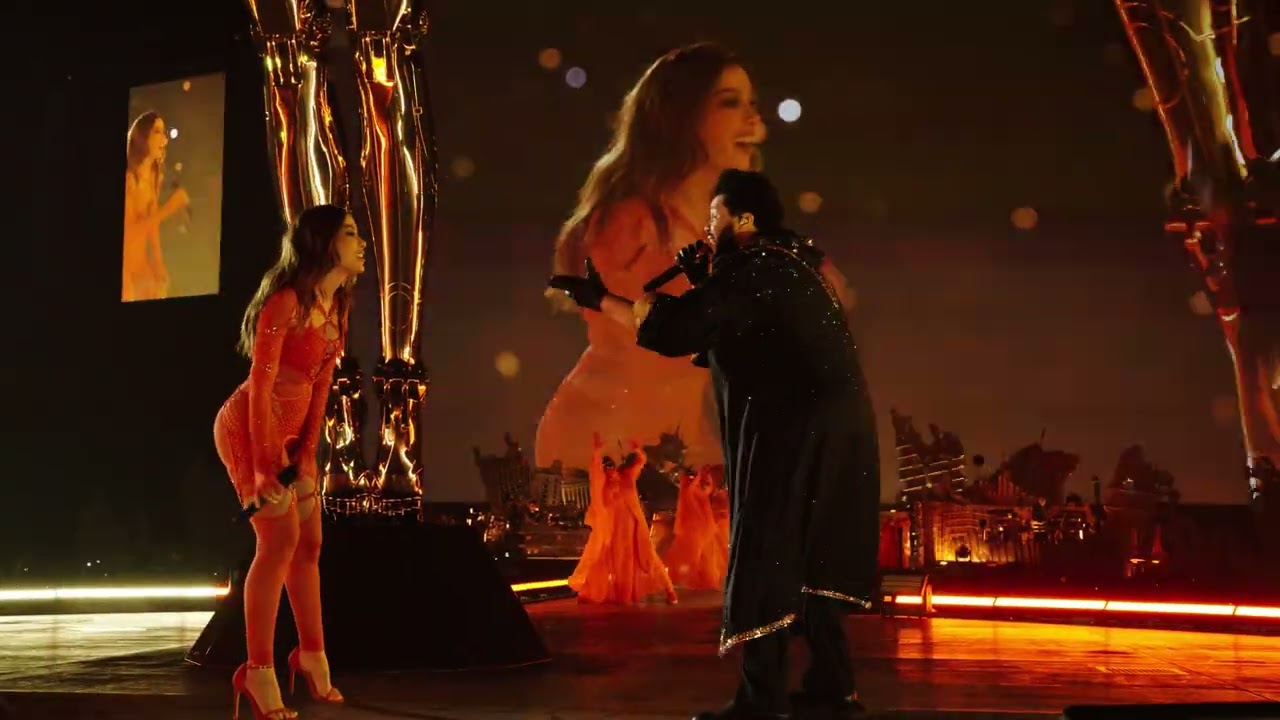
When the song debuted on streaming platforms, its performance was historic. It launched directly into the top 10 of Spotify’s Global chart, making history as the biggest debut ever for a Brazilian funk song on the platform. This was confirmed by major music news outlets reporting on Spotify’s daily updated global playlists.
But the record it broke went even further. As of early 2026, São Paulo had become the most streamed funk song in the world on Spotify, outpacing every other track in the genre’s history. Reports from entertainment news confirmed that the song crossed a staggering number of streams globally, cementing its place in music history and symbolizing how Brazilian funk could find a massive audience outside its traditional borders.
This ascent was not without controversy. Some figures in the Brazilian music scene commented on the nature of the record, suggesting that its global streaming success might be discounted because one of the artists, The Weeknd, is an international star. DJ and producer Dennis publicly questioned whether the achievement could be considered truly reflective of Brazilian funk’s success. His critique pointed to comparisons with tracks like Olha a Explosão, which had amassed hundreds of millions of streams as well but without international features.
Despite this, many celebrated São Paulo’s global success as a triumph for funk itself. Legendary Brazilian funk pioneer Tati Quebra Barraco, whose work was sampled in the track, responded to critics by reminding them of the decades of effort that went into building respect for funk on the global stage. Her perspective emphasized that reaching the world audience was not a matter of luck but of long cultural groundwork.
At the core of the song’s success is the unique musical chemistry between The Weeknd and Anitta. Abel Tesfaye, known professionally as The Weeknd, brought his international pop and R&B sensibilities to a traditional funk base, creating a sound that was familiar, yet fresh to listeners around the world. Anitta, ever the cultural bridge, brought authenticity to the Brazilian elements in the song, helping the track resonate with fans of funk as well as mainstream pop audiences. The collaboration represented a seamless fusion of global and local musical identities, and it was clear from the early streaming numbers that audiences responded passionately.
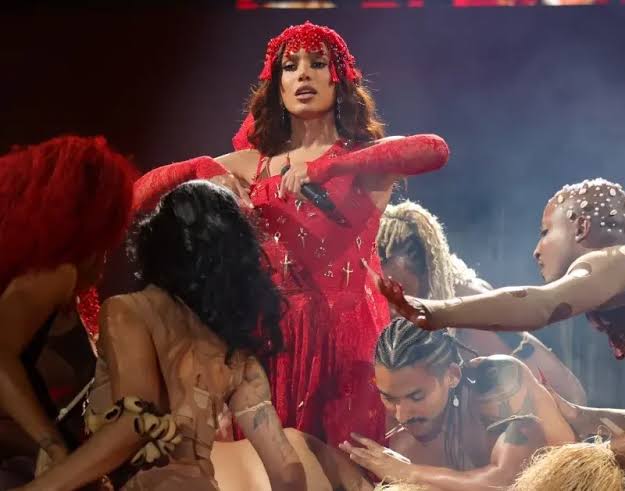
For Anitta, the success was another remarkable chapter in a career already filled with achievements. She had previously secured her place as one of the most listened to Brazilian artists internationally and had set numerous streaming records with her own solo work and other collaborations. Yet São Paulo represented something larger because it brought a genre deeply tied to Brazilian street culture into the mainstream global consciousness in ways that few had imagined possible.
Listeners and commentators alike noted that the song’s success also came from its ability to bridge different fan bases. The Weeknd’s global audience, already accustomed to his emotionally charged R&B and pop hits, found themselves introduced to the rhythm and energy of Brazilian funk through this collaboration. Simultaneously, fans of Anitta and Brazilian music were introduced to The Weeknd’s universe, creating a shared musical space where both styles could be celebrated.
This crossover appeal was part of why the song did not merely enter global charts but sustained long-term streaming momentum. Its longevity was driven by playlists, algorithmic recommendations, and genuine listener engagement around the world. By the middle of 2025, São Paulo still logged impressive daily streams and continued to be discussed in music communities, playlists, and even international radio rotations, far beyond its initial release window.
São Paulo proved that musical boundaries are shifting and that genres born in local streets can resonate on a global scale when artists approach collaboration with creativity, respect, and authenticity. Its success reminded the world that music has the power to connect different cultures, propel new voices into the international spotlight, and celebrate diversity in sound and rhythm.




Leave a Reply