
Anitta celebrated Luiz Inácio Lula da Silva’s reelection as president of Brazil with a message that combined relief, concern about the country’s divisions and a demand for continued public scrutiny of elected officials. Speaking through Instagram Stories on Monday, October 26, the singer reflected on the anxiety surrounding the presidential campaign and explained why the result had brought comfort to those who supported Lula. Her happiness, however, came with sadness over the hostility separating Brazilians, as she described a country whose ability to move forward together had been weakened by political confrontation. Throughout her comments, she urged followers to remain involved in public affairs beyond election day.
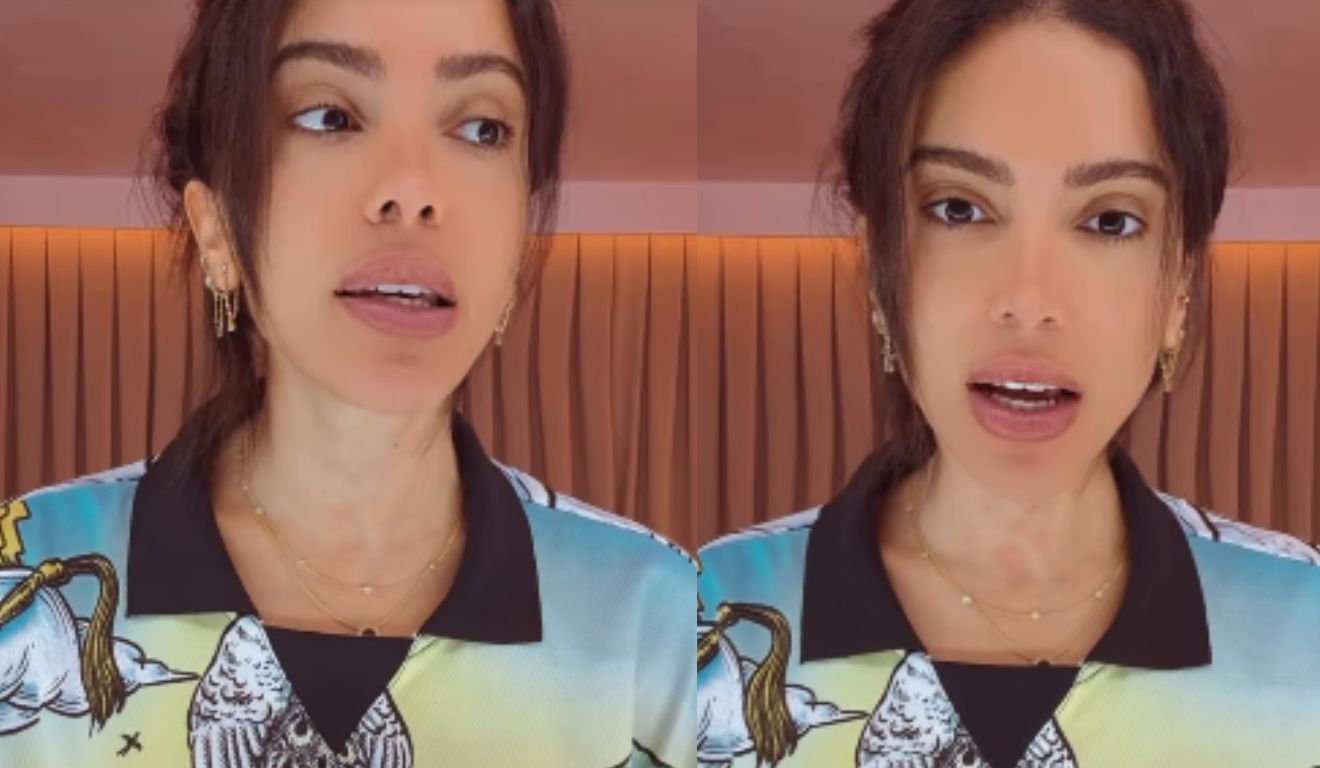
For Anitta, the immediate feeling was that people could finally breathe after a campaign marked by arguments, uncertainty and fear about the outcome. She explained that the joy among Lula’s supporters was connected to their concerns about what a victory for his opponent might have meant. Even while acknowledging that she had celebrated, she questioned how fully a country could enjoy an electoral victory when so many people remained hostile toward one another. In her assessment, Brazil’s divisions were preventing it from using its full potential, leaving a powerful country struggling to act collectively. She expressed hope that these tensions would ease over the coming months and years.
Her comments also addressed the limits of presidential authority, with Anitta reminding followers that Lula would govern alongside institutions and representatives with their own political interests. She pointed to the strength of his opponents in Congress and argued that voters needed to consider the influence of deputies and senators when discussing what the next administration could achieve. Addressing people who supported Flávio Bolsonaro, she presented Lula’s victory as a source of political balance, rather than a result that would allow him to impose every decision unchallenged. This was her interpretation of the election’s consequences, and it formed part of her broader appeal for people to understand how responsibility is shared across government.
Another central concern was what would happen to the public energy generated during the campaign. Anitta credited ordinary people, public participation and collective action with helping elect Lula, then asked followers to maintain that commitment throughout the next four years. She acknowledged that people would naturally return to other aspects of their lives, while stressing that political decisions would continue to affect them after the campaigning stopped. Governors, deputies and senators also needed to face questions about their work, she said, and the pressure directed at celebrities during the election should now reach those responsible for governing. Her argument placed the obligation to deliver results firmly with elected representatives.
Anitta made that expectation particularly clear when discussing the digital mobilization organized by André Janones. She hoped the network built around the election would remain active on issues affecting the public, including demands directed at Lula himself. She also called for greater representation of women and Black people in senior positions, specifically raising appointments to the Supreme Federal Court. For the singer, supporting Lula at the ballot box preserved her right to question his choices afterward, including whether the people selected for influential positions reflected the diversity and competence available in Brazilian society.
The same discussion included a rejection of unconditional political loyalty, as Anitta insisted that voting for a candidate should leave room for criticism of the administration that follows. Her support carried expectations about appointments, rights and the treatment of the people who had contributed to the victory. Alongside that demand for scrutiny, she asked Brazilians to avoid wishing for the government to fail simply because they had supported someone else. The two ideas appeared together in her response: citizens should challenge decisions they consider wrong while hoping that the country achieves better results. Her appeal extended beyond those celebrating Lula’s reelection to people disappointed by the outcome.
The singer had already made her choice explicit during the campaign, publishing a video on October 9 in which she confirmed that she would vote for Lula in the second round. In that statement, she admitted that she had expected him to win in the first round and had underestimated the continued electoral strength of bolsonarismo. Correio Braziliense reported that she described her endorsement as consistent with positions she had expressed over several years. She also acknowledged that legitimate criticisms of Lula existed, while arguing that those concerns should be considered alongside the benefits she associated with social programs introduced under his governments, particularly for Brazilians living in poverty.
That endorsement followed a public disagreement over how she should participate in the campaign. On October 7, Anitta had resisted demands to record an explicit support video, arguing that simply placing her face in campaign material might fail to persuade people outside her existing audience. She worried that opponents could repurpose the footage against the candidate she supported and questioned whether supporters were using social media effectively. She also argued that campaign efforts needed to be timed carefully, with attention to the final days before voting. Some fans criticized her response, and the episode became part of the wider discussion about what audiences expected from politically engaged celebrities.
When she subsequently released her endorsement, Anitta defended the political significance of the causes she had supported throughout the year. She cited advocacy involving women, Indigenous people, environmental protection and opposition to religious intolerance and racism, alongside her criticism of betting platforms and support for ending the six days of work followed by one day off arrangement known in Brazil as the 6×1 schedule. She said that speaking publicly had already cost her followers, presenting those losses as part of the consequences of maintaining her positions. Her explanation connected the election to subjects she had discussed outside the immediate contest between presidential candidates.
On election day, Anitta attended a polling station in Rio de Janeiro, where she was photographed wearing a red cap and a shirt in the colors of the Brazilian flag bearing the words “aura brasileira.” She left through a reserved exit after voting and that her appearance followed around two weeks of travel abroad, including stops in Italy, Egypt and Turkey. By the following day, she had turned her attention to what voters should expect after the result, asking them to remain attentive to their representatives and the decisions ahead. Her celebration of Lula’s victory therefore came with a clear expectation that the public participation seen during the campaign would continue throughout his next term.





Leave a Reply