
For years, fans and the Brazilian media have followed every chapter of Anitta’s personal life with intense curiosity, from her relationships and career decisions to her spirituality, health, and future plans. One topic that constantly appeared around the singer was motherhood. Because she is one of the biggest female stars in Latin music and has spent more than a decade living under public scrutiny, conversations about whether she would eventually become a mother have followed her almost everywhere. In a recent interview that quickly dominated entertainment headlines in Brazil, the singer finally addressed the subject in a direct and deeply personal way, revealing that she never froze her eggs and that she currently does not want to have children.
The statement immediately sparked conversations online because it touched on subjects that go far beyond celebrity gossip. Her words opened debates about social pressure placed on women, fertility expectations, motherhood, personal freedom, health concerns, and the changing way many women today are approaching family and relationships. What made the interview resonate with so many people was the fact that Anitta did not speak impulsively or controversially for attention. Instead, she described a long internal process of self reflection that transformed the way she sees happiness, success, and the future.
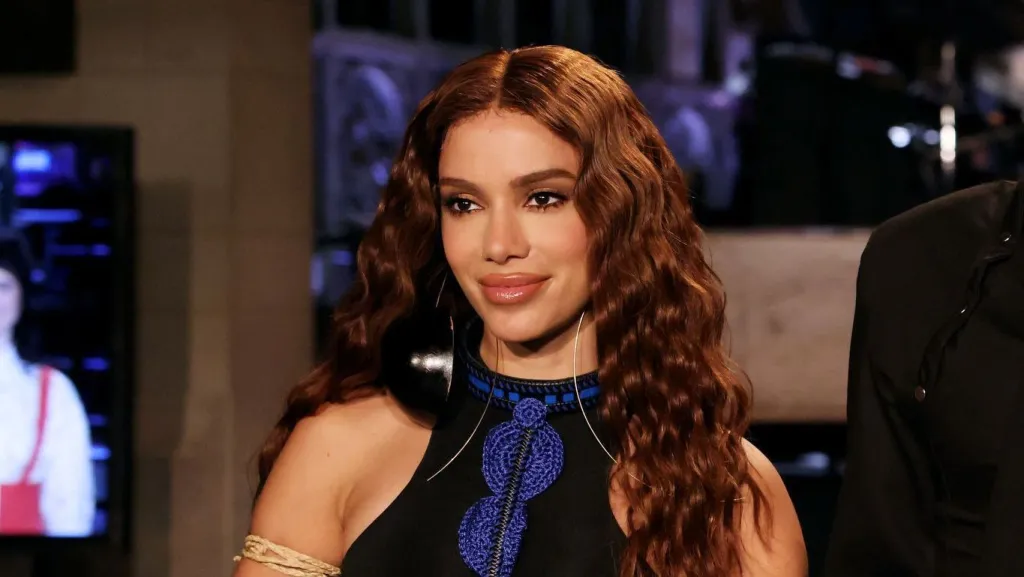
According to the singer, the decision is connected to years of personal growth and emotional transformation. She explained that after diving deeply into self knowledge and understanding herself better, she realized she does not imagine feeling fulfilled or happy as a mother. Those words surprised some fans because many celebrities eventually speak about motherhood as a dream or an inevitable step later in life. Anitta, however, approached the topic from a completely different perspective, one centered on honesty with herself rather than social expectations.
The interview was part of the promotion surrounding her new artistic era and the release of her album “Equilibrivm,” a project that she has described as one of the most personal and authentic moments of her career. Over the past few years, the singer has increasingly spoken about spirituality, emotional healing, therapy, meditation, and the search for balance in her life. Fans who followed her trajectory closely noticed a visible transformation in the way she communicates publicly. The hyper competitive and constantly working pop star image gradually started making room for a woman more interested in protecting her peace, understanding her emotional needs, and redefining success beyond fame and numbers.
During the interview, she reflected on how society conditions women from a very young age to believe that marriage and motherhood are essential markers of fulfillment. She explained that many women grow up without truly understanding whether the desire to have children is genuinely theirs or something imposed through cultural expectations over many years. This part of the conversation became one of the most discussed excerpts online because countless women identified with the pressure she described.
In Brazil especially, motherhood continues to carry enormous symbolic importance. Female celebrities are frequently questioned about pregnancy plans even when they are at the peak of their careers. Public interviews often treat motherhood as something inevitable rather than optional. Because of that, the fact that Anitta openly said she does not currently wish to become a mother represented a rare moment of honesty in mainstream entertainment culture. Many fans praised her for speaking without fear of criticism, while others debated whether opinions about motherhood can change over time.
Another major point from the interview involved fertility preservation. In recent years, egg freezing became increasingly common among celebrities and financially successful women who want to preserve the possibility of biological motherhood later in life. Many fans assumed that someone with the resources and access that Anitta has would naturally choose to freeze her eggs as a precaution. Instead, she revealed that she never did the procedure and does not currently plan to do so.
Her explanation was very personal and tied directly to her health. The singer stated that her body has been more fragile since the COVID 19 pandemic and that she does not want to expose herself to hormonal procedures that could affect her wellbeing. She described the process as physically demanding and something she does not see as worth the risk for her at this moment in life.
That revelation also connected to a broader part of Anitta’s recent public journey. In the past few years, the singer has spoken several times about health challenges, exhaustion, and the intense rhythm she maintained throughout most of her career. For more than a decade, she built a reputation as one of the hardest working artists in Latin America, constantly releasing music, touring internationally, appearing in television projects, managing business ventures, and reinventing herself musically. Many fans remember periods where her schedule looked almost impossible to sustain. Her recent focus on health and emotional balance appears to be a direct response to the consequences of that lifestyle.
The timing of the interview also matters because Anitta is entering a different stage of her career. At 33 years old, she is no longer the teenager from Honório Gurgel trying to conquer the Brazilian funk scene. She became one of the most internationally recognized Brazilian artists of her generation, collaborating with global stars, performing at major events, and expanding Brazilian funk worldwide.
Because of that, discussions surrounding her personal life often reflect wider conversations about womanhood, independence, and success. There is still a strong cultural expectation that women eventually prioritize family over career or at least combine both in socially acceptable ways. Anitta has consistently challenged traditional expectations throughout her career, whether through her artistic expression, her control over her own image, or the way she openly discusses sexuality and relationships.
Her comments about motherhood fit into that same pattern of autonomy and self definition. Instead of framing motherhood as something she fears or rejects aggressively, she described it as something that simply does not align with how she currently imagines happiness in her own life. That nuance is important because much of the public reaction focused on the calm and reflective tone of her answers rather than sensationalism.
The singer also acknowledged that human beings change constantly and that she does not see life as fixed or predictable. She admitted that her opinions could evolve in the future, but emphasized that, right now, she does not feel connected to the idea of having biological children.
One of the most emotional parts of the interview came when she discussed adoption. Anitta explained that if she ever changes her mind in the future, she believes there are many children in the world already needing love and care. That statement resonated strongly with fans because it showed that her perspective is not rooted in a rejection of children themselves, but rather in a different understanding of family and motherhood.
The motherhood conversation appears deeply connected to this newer chapter of introspection. Rather than following a predetermined life script, she seems increasingly focused on understanding what genuinely brings her peace and fulfillment. That mindset contrasts sharply with the hyper productive image many celebrities are expected to maintain constantly.
Another important element of the discussion involves the pressure female celebrities face regarding aging and fertility. Male celebrities are rarely questioned repeatedly about whether they plan to become fathers. Women, however, often encounter endless speculation as they enter their thirties. Questions about fertility, marriage, pregnancy, and biological clocks become routine parts of interviews. By answering so directly, Anitta challenged those expectations publicly.
Her comments also generated conversation because of the honesty surrounding the egg freezing procedure itself. In celebrity culture, fertility preservation is sometimes presented as an easy and glamorous solution, but the singer highlighted the hormonal impact and physical demands involved in the process. Many women online shared their own experiences afterward, discussing the emotional and medical complexity behind fertility treatments.
The interview arrived during a particularly transformative moment in Anitta’s life and career. Alongside her musical projects, she has increasingly embraced conversations about spirituality and healing. Her fans have noticed how much calmer and more reflective she appears compared to previous years when her public image revolved almost entirely around nonstop ambition and performance.
At the same time, her global career continues reaching impressive levels. Anitta remains one of Brazil’s most internationally visible artists, participating in major collaborations, festivals, and entertainment projects around the world.
That contrast between global fame and deeply personal self reflection may explain why the interview resonated so strongly. Many celebrities discuss motherhood in promotional ways or through carefully managed public relations narratives. In this case, the conversation felt unusually introspective and emotionally honest, which made people pay attention far beyond gossip headlines.
The reaction from fans has largely been supportive. Across social media, countless women praised the singer for verbalizing feelings that many experience privately but rarely express publicly because of fear of judgment. Others appreciated the fact that she left room for change and uncertainty rather than presenting life decisions as absolute or permanent.
At the center of everything, though, is a woman trying to define happiness on her own terms after years of living under extraordinary visibility. For over a decade, the public has watched almost every phase of Anitta’s evolution, from ambitious newcomer to international superstar, from tabloid headlines to deeply personal documentaries about identity and emotional healing. This latest interview added another layer to that story by showing someone increasingly interested in authenticity rather than expectation.
Whether her opinions eventually change or remain the same is ultimately secondary to the larger impact of the conversation itself. What truly made the interview important was the honesty behind it and the way it encouraged discussions about freedom, pressure, health, and self knowledge. In an industry where celebrities often feel forced to provide socially acceptable answers, Anitta chose transparency instead.





Leave a Reply